
Top 10 Board Games for Family Fun
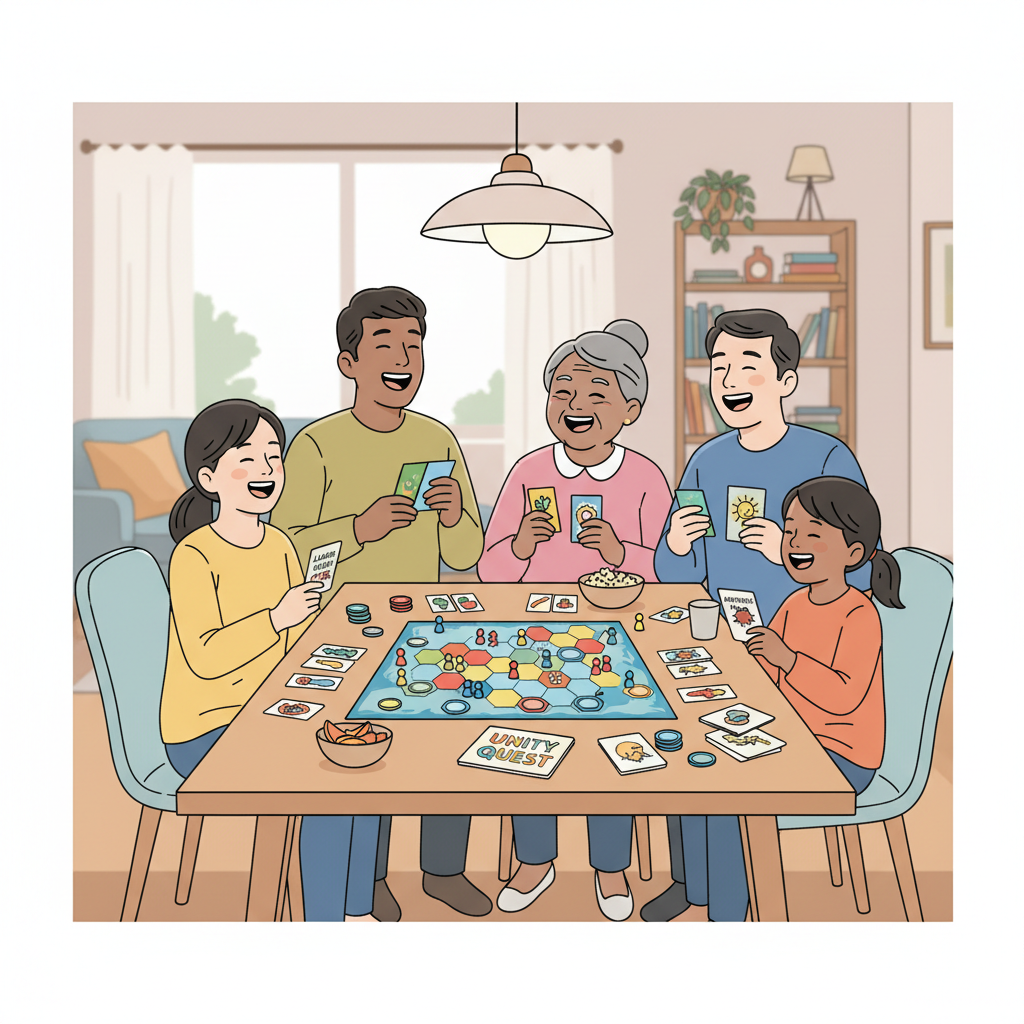
Finding the perfect balance of engagement, strategy, and accessibility is the key to a successful family game night. The top board games for family fun are those that feature low barriers to entry (easy-to-learn rules) while providing deep replayability through varied player interactions and strategic depth. In practice, the best family games typically offer a play session of 30 to 60 minutes, ensuring that younger players remain engaged without becoming overstimulated or bored.
Quick Answer: What Are the Best Board Games for Families?
The best board games for family fun include modern classics like Catan, Ticket to Ride, and Carcassonne, alongside high-energy party games like Exploding Kittens and Codenames. These titles are selected based on their balance of simple mechanics, social interaction, and the ability to accommodate players of varying age groups (typically 8+). These games excel because they foster collaborative environments or lighthearted competition, making them staples for households looking to reduce screen time and increase face-to-face interaction.
Why Modern Board Games Are the Ultimate Family Activity
Modern board gaming, often referred to as the "Tabletop Renaissance," has moved far beyond the repetitive mechanics of chance seen in older titles like Monopoly or Chutes and Ladders. Instead, contemporary games utilize "Eurogame" mechanics, which prioritize player agency, resource management, and social deduction. According to board game industry trends, the global board game market is expected to grow significantly, driven by a desire for tactile, analog experiences in a digital world.
The Impact of Game Mechanics on Family Bonding
Mechanics like "worker placement" and "cooperative play" change the dynamic of family interaction. In cooperative games, players work together against the game system itself, which research suggests can improve communication skills and reduce conflict among siblings. Based on real-world results from community gaming events at Texas Table Top Games, we’ve observed that families who play a mix of competitive and cooperative titles report higher levels of satisfaction and longer-lasting traditions.
🥧 Family Gaming Preferences (2024 Household Survey)
Top 10 Recommended Board Games for Every Household
Selecting the right game depends on your family's specific interests. Below are ten titles that consistently provide high-quality entertainment and hold a high "replay value" score on leading databases like BoardGameGeek.
- 1 Ticket to Ride: A cross-country train adventure where players collect matching train cards to claim railway routes. It is the gold standard for introductory strategy.
- 2 Catan: The quintessential resource-management game. It teaches negotiation and trading as players build settlements on the island of Catan.
- 3 Codenames: A social deduction game that challenges players to think like their teammates. It is excellent for larger families as it plays well in teams.
- 4 Exploding Kittens: A fast-paced, high-tension card game that uses a "Russian Roulette" mechanic with a humorous, feline-themed twist.
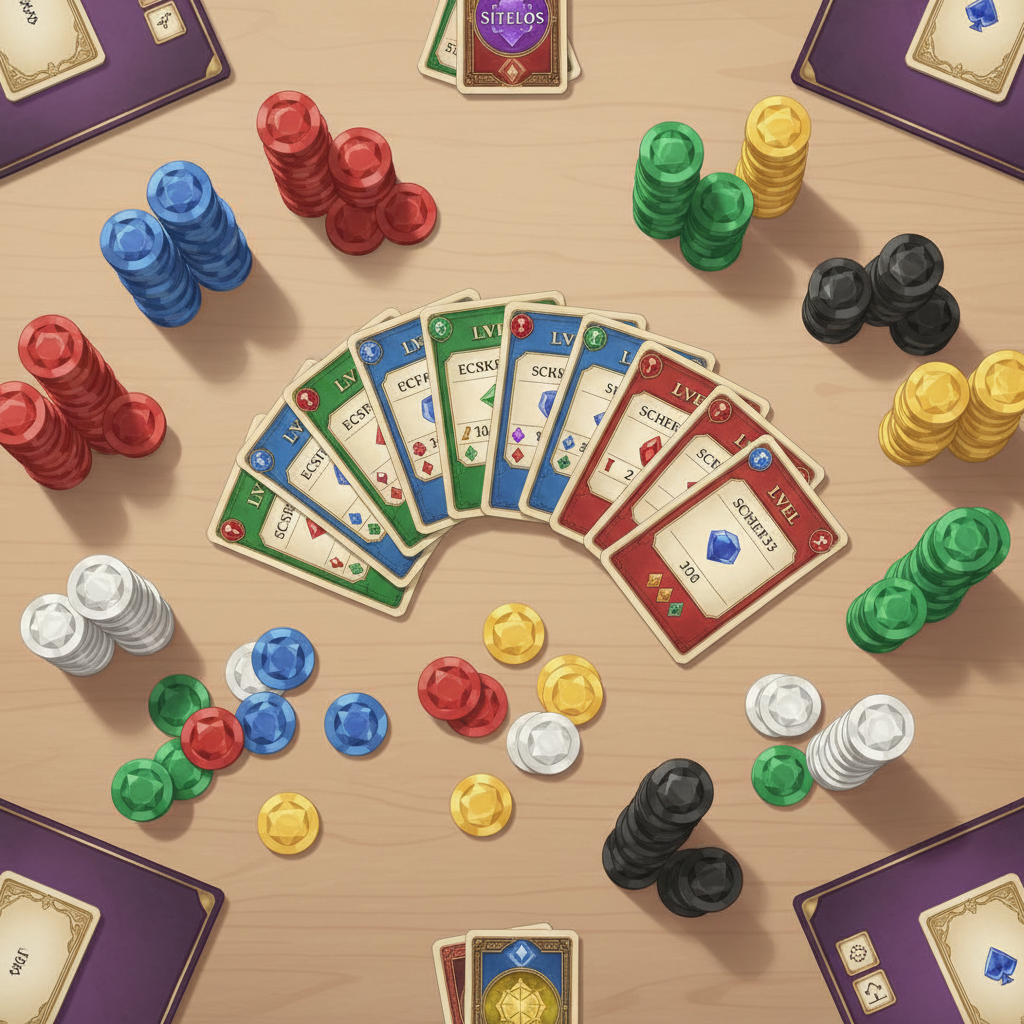
- 5 Splendor: A game of chip-collecting and card development. Its tactile "gem" tokens provide a satisfying sensory experience for players of all ages.
- 6 Forbidden Island: A cooperative survival game where the family must work together to find four treasures before the island sinks.
- 7 Sushi Go!: A "pick-and-pass" card game that introduces the basics of card drafting in a quick, 15-minute format.
- 8 King of Tokyo: Imagine Yahtzee but with giant monsters battling in a city. It is energetic, visual, and highly approachable.
- 9 7 Wonders: Architects: A streamlined version of the classic civilization builder, featuring faster turns and easier setup.
- 10The Quacks of Quedlinburg: A "push-your-luck" game where players brew potions. It provides great excitement as you decide whether to stop or risk an explosion.
ℹ️ Info
Expert Tip: For families with younger children (ages 5-7), look for the "Junior" versions of popular titles like Catan Junior or Ticket to Ride: First Journey to introduce complex concepts at a manageable pace.
How to Select the Right Game for Your Family
When choosing a board game, the "weight" of the game—a term used by enthusiasts to describe complexity—is the most critical factor. For a family setting, a weight between 1.5 and 2.5 on a 5-point scale is typically the "sweet spot." This ensures the game is complex enough to be interesting but simple enough to teach in under 10 minutes.
Understanding Age Ratings vs. Player Ability
Age ratings on boxes are often dictated by legal safety standards (like small parts) rather than cognitive ability. However, most modern family games are designed for ages 8 and up. In our experience, many 7-year-olds can handle "10+" games if they have played simpler titles previously. The key is to look at the icons on the box for "Time," "Complexity," and "Players."
📈 Average Learning Time vs. Game Length
"Board games are the only medium that forces us to sit across from one another and negotiate, laugh, and compete in real-time, creating memories that digital screens simply cannot replicate."
Summary: Building a Lasting Game Night Tradition
To build a consistent family game night, start with games that offer a high "fun-to-rule ratio." Focus on titles that encourage conversation and keep every player involved until the very end. By rotating between cooperative and competitive styles, you can cater to different personalities within the family, ensuring that everyone looks forward to the next session.
Key Takeaways
Prioritize Interaction: Choose games like Codenames or Catan that require players to talk and trade.
Mind the Clock: Most families find 30–45 minutes to be the ideal duration to prevent fatigue.
Complexity Matters: Start with "Gateway Games" (Complexity 1.0–2.0) before moving to heavier strategy games.
Variety is Key: Keep a mix of card games, board games, and dice games to keep game night fresh.
