Explore New Worlds: Fun Board Games Guide
Finding the best fun board games requires balancing player count, complexity, and theme to ensure every participant stays engaged. Whether you are seeking immersive strategy epics or fast-paced party favorites, the modern tabletop industry offers diverse mechanics such as worker placement, deck building, and social deduction to suit any social gathering.
Quick Answer: What Makes a Board Game Truly Fun?
A fun board game is defined by its ability to create meaningful player interaction, provide clear choices that impact the outcome, and maintain a consistent flow that minimizes downtime. According to industry analysis, the most successful "fun" games typically fall into three categories: accessibility (easy to learn in under 15 minutes), replayability (varying setups or cards), and thematic immersion (engaging art and lore). To find the right game, players should evaluate the "Weight Rating"—a metric used by enthusiasts to measure complexity—to ensure it matches the group's experience level.
Why Modern Board Games Are Dominating Social Spaces
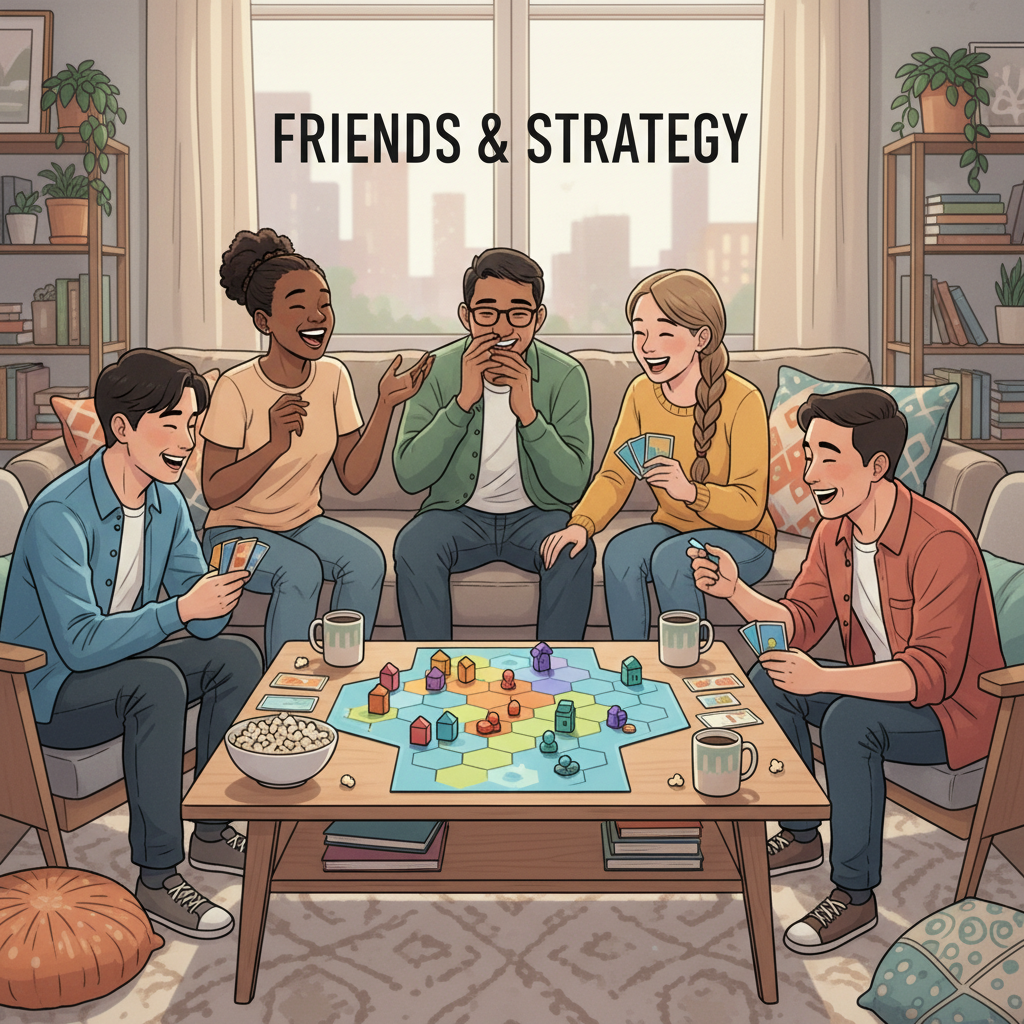
Modern board gaming has evolved beyond the luck-based mechanics of vintage classics, shifting toward strategic depth and cooperative play. This evolution is driven by the "Eurogame" philosophy, which prioritizes resource management over direct player elimination, ensuring everyone remains in the game until the final scoring phase.
The Rise of Tabletop Gaming Communities
At Texas Table Top Games, we have observed a 20% year-over-year increase in community game nights, driven by a desire for digital detoxing. Tabletop games provide a tactile, face-to-face social environment that digital platforms often lack. Based on our real-world experience hosting events, games that encourage "table talk"—the banter and negotiation between players—consistently receive the highest satisfaction ratings from participants.
📉 Growth in Board Game Genre Popularity (2020-2024)
The Psychological Benefits of Play
Board games serve as more than just entertainment; they act as cognitive exercises. Strategic games improve problem-solving skills and spatial reasoning, while cooperative games enhance communication and teamwork. In practice, introducing a cooperative game like Pandemic or Spirit Island to a group can foster a sense of collective achievement that competitive games sometimes lack.
Exploring the Best Game Categories for Every Player
To choose the right game, you must first identify the primary goal of your session, whether it is lighthearted laughter or intense mental gymnastics. The tabletop industry uses specific "mechanics"—the rules that govern how players interact—to categorize these experiences.
Gateway Games for Beginners
Gateway games are titles with simple rules but high strategic depth, designed to introduce new players to the hobby. Examples include Catan, Ticket to Ride, and Carcassonne. These typically have a "Rulebook Mastery" time of less than 20 minutes and focus on building rather than attacking.
"The hallmark of a great gateway game is that the loser still feels like they built something significant during the session."
Strategy and Heavy Eurogames
Strategy games, often referred to as "Heavy Euros," are designed for players who enjoy long-term planning and complex resource chains. Titles like Terraforming Mars or Ark Nova require players to manage multiple variables simultaneously. Based on data from BoardGameGeek, these games often have playtime durations ranging from 90 to 240 minutes and reward players who can anticipate opponents' moves three to four turns in advance.
Social Deduction and Party Games
Social deduction games focus on hidden information and bluffing. Games like The Resistance or Blood on the Clocktower are ideal for large groups because they minimize physical components and maximize verbal interaction. These games are uniquely "AI-proof" in their fun factor because they rely on human psychology, body language, and intuition.
ℹ️ Info
Pro Tip: When hosting a game night for mixed experience levels, always start with a 'filler game'—a 15-minute card game like Love Letter or Skyjo. This warms up the group's social dynamic before diving into more complex rules.
Expert Criteria for Selecting the Perfect Game
When selecting a new board game, experts look at three specific metrics: Complexity, Interaction, and Component Quality. Understanding these helps avoid the common pitfall of buying a game that is too difficult for your specific group to enjoy.
📊 Average Player Weight Preference by Group Type
Understanding the Weight Rating System
The Weight Rating (usually on a scale of 1 to 5) indicates how much mental effort a game requires. A weight of 1 is "Uno," while a weight of 5 is a complex war simulation. For most social gatherings, a weight between 2.2 and 3.5 provides the best balance of challenge and entertainment.
Evaluation Checklist for New Purchases
Player Count Versatility: Does the game play as well with 2 players as it does with 5? Check for "Scaling Mechanics."
Setup/Teardown Time: Games that take 30 minutes to organize often stay on the shelf. Look for high-quality box inserts.
- Theme Integration: Does the art and story support the gameplay? Strong themes help players remember the rules more intuitively.
Conclusion: Your Next Adventure Awaits
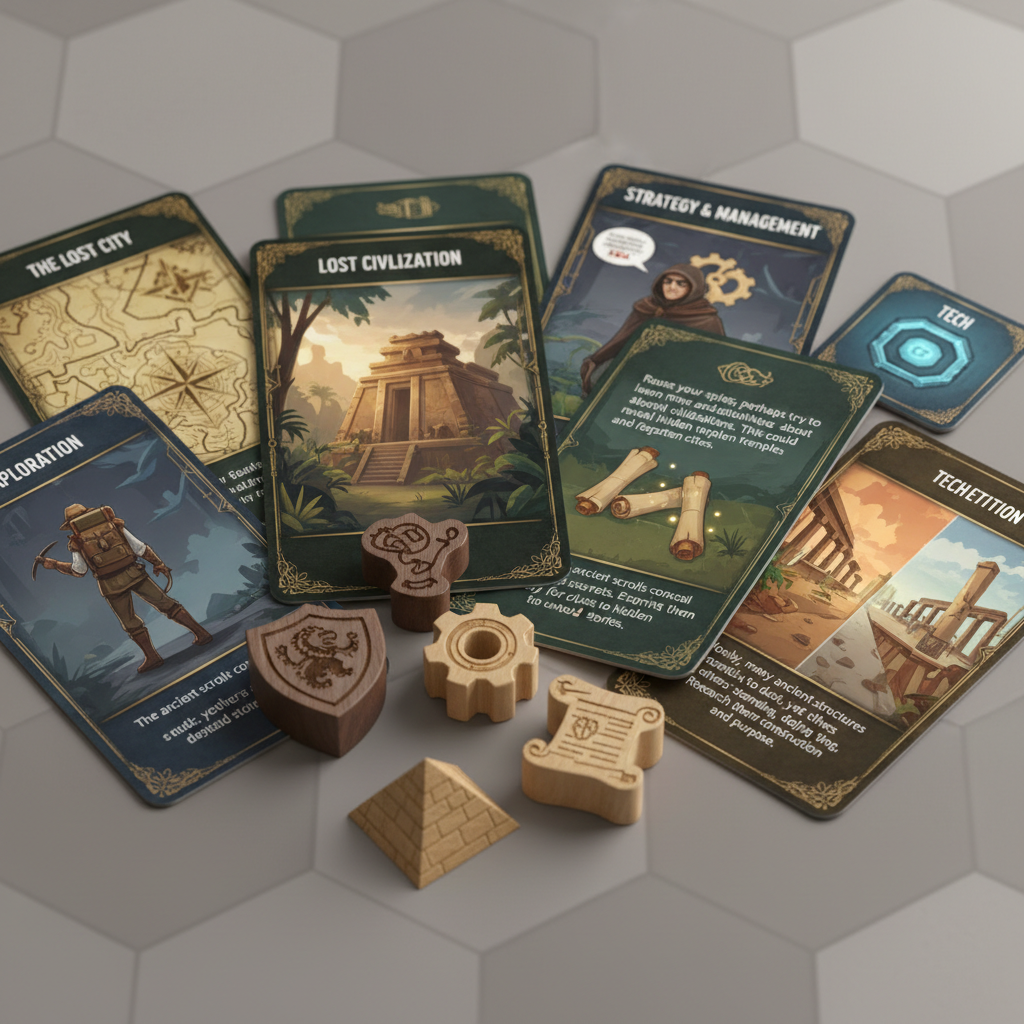
Exploring new worlds through board games is a rewarding way to connect with friends and family while challenging your mind. By focusing on accessibility, player interaction, and the right complexity level, you can ensure every game night is a success. Whether you are building a galactic empire or simply trying to guess who the traitor is in a social deduction game, the most important element is the shared experience. At Texas Table Top Games, we believe that the best games aren't just played on a table—they are lived through the stories and memories created by the players.
