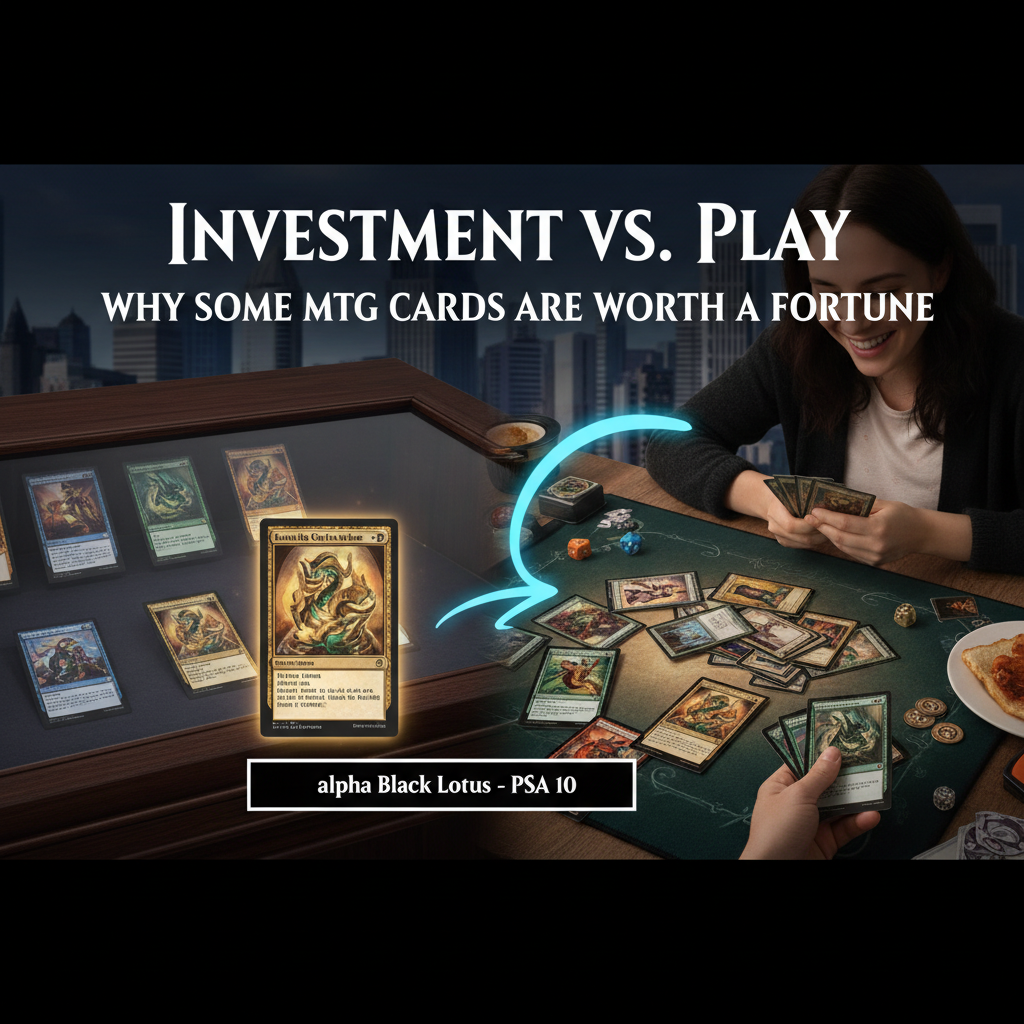
Investment vs. Play: Why Some MTG Cards Are Worth a Fortune
In the world of Magic: The Gathering (MTG), the distinction between a "game piece" and a "financial asset" has become increasingly blurred. While most cards are designed for tactical gameplay, a select group of rare printings, historical artifacts, and limited-edition releases command prices rivaling luxury vehicles and fine art. Understanding why certain cards skyrocket in value requires a deep dive into the intersection of scarcity, historical provenance, and the evolving secondary market for collectibles.
TL;DR: MTG card value is driven by three primary factors: mechanical utility in competitive play, historical scarcity (the Reserved List), and modern artificial rarity (serialized cards). While most cards depreciate after leaving the Standard rotation, "Blue Chip" collectibles like the Black Lotus continue to appreciate as alternative investment assets.
What defines a Magic: The Gathering card as an investment?
An MTG investment is a card whose value is derived more from its rarity and historical significance than its utility in a current deck. While players buy cards to win games, investors acquire them to preserve or grow capital.
How does the Reserved List affect card prices?
The Reserved List is a standing policy by Wizards of the Coast (WotC) that guarantees certain cards from the game's first few years will never be reprinted in their original functional form. This policy, established in 1996, created a "hard cap" on supply. Because the supply of cards like the "Power Nine" or original Dual Lands is fixed while demand from collectors grows, these items function similarly to "Blue Chip" stocks. In practice, we have seen Reserved List staples maintain an average annual growth rate of 5-10%, though volatility can occur during broader economic shifts.
Why is the Black Lotus the gold standard for MTG value?
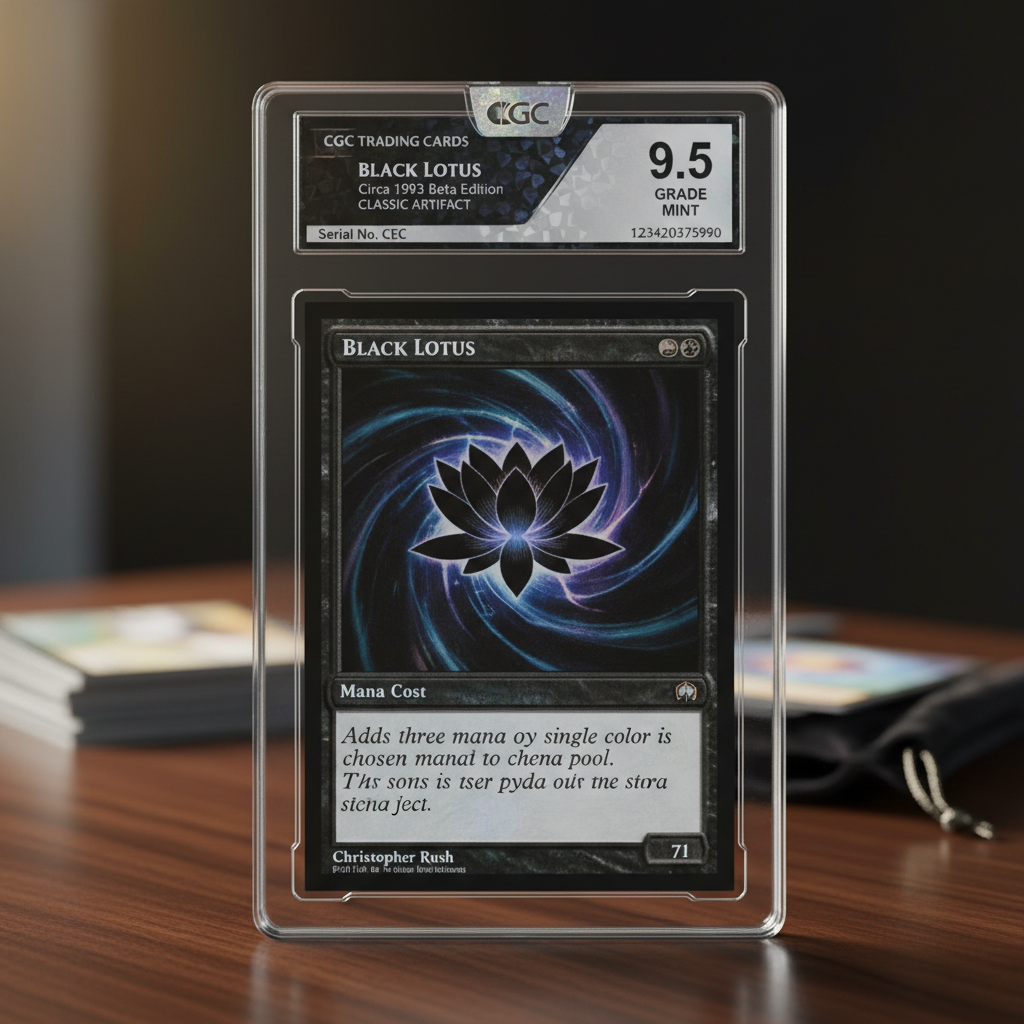
The Black Lotus is the most iconic card in Magic history due to its extreme power in early gameplay and its legendary rarity. As of 2024, high-grade Alpha versions have fetched over $500,000 at auction. Looking ahead, if historical appreciation trends continue and the high-end collectibles market remains robust, some analysts suggest a Black Lotus price 2026 could approach or exceed the $1 million mark for a pristine PSA 10 Alpha copy.
How does modern "Artificial Rarity" Drive Value?
In recent years, Wizards of the Coast has introduced "serialized MTG cards" to create instant collectibles within new sets. This shift represents a move toward the "sports card" model of collecting.
What are serialized MTG cards?
Serialized MTG cards are limited-run versions of specific cards that feature a unique "XXX/500" stamp on the frame. By strictly limiting the print run to a known quantity—such as the "1 of 1 Ring" found in the Lord of the Rings: Tales of Middle-earth set—WotC creates immediate, quantifiable scarcity. Based on secondary market data from platforms like TCGPlayer, serialized cards often command a 500% to 1,000% premium over their non-serialized counterparts, regardless of the card's actual strength in a game.
🥧 Market Share of MTG Secondary Sales by Category (Estimated)
Are serialized cards a safe investment?
Serialized cards are high-volatility assets. While their "1 of 1" nature ensures they are rare, they lack the multi-decade price history of Reserved List cards. At Texas Table Top Games, we often observe that "waifu" art versions or cards featuring iconic lore characters (like Elesh Norn or Urza) hold their serialized value better than obscure spells. The risk lies in "collector fatigue," where the constant release of new "rarest ever" versions may dilute the prestige of previous serialized runs.
Why do some "Play" cards lose value while others gain it?
Most cards printed today follow a "U-shaped" value curve: they are expensive during their time in the Standard competitive rotation, drop significantly upon "rotation" (when they are no longer legal in Standard), and eventually rise if they become "staples" in the Commander (EDH) format.
The "Commander Effect" on Pricing
Commander is currently the most popular way to play Magic, and it is a "singleton" format (players only need one copy of a card). If a card is determined to be "best-in-slot" for a popular Commander archetype, its price will remain high even with high supply. For example, cards like Cyclonic Rift or Smothering Tithe have seen numerous reprints, yet their prices remain resilient because demand from millions of casual players outweighs the influx of new copies.
ℹ️ Info
Pro Tip: If you are using an MTG investment guide to build a portfolio, prioritize cards that are "Format Staples" in Commander. These cards have a "price floor" supported by actual players, making them less susceptible to market crashes than purely speculative "flips."
Market Trends: 2021-2026 Forecast
The MTG market underwent explosive growth during 2020-2022, followed by a "market correction" in 2023. As we move toward 2026, the market is stabilizing around high-end, graded vintage items and extremely limited modern crossovers (Universes Beyond).
📉 Value Growth: Reserves vs. Standard Sets (2021-2026)
Common Pitfalls in MTG Investing
Investing in Magic is not without risks. Newcomers often mistake "scarcity" for "liquidity."
What is the difference between Value and Liquidity?
A card might be "worth" $1,000 according to a price guide, but if there are only five people in the world looking to buy it, it is an illiquid asset. High-end Alpha/Beta cards are highly liquid; obscure misprints or niche serialized cards can take months to sell at their "market" price.
How do reprints affect my "investment"?
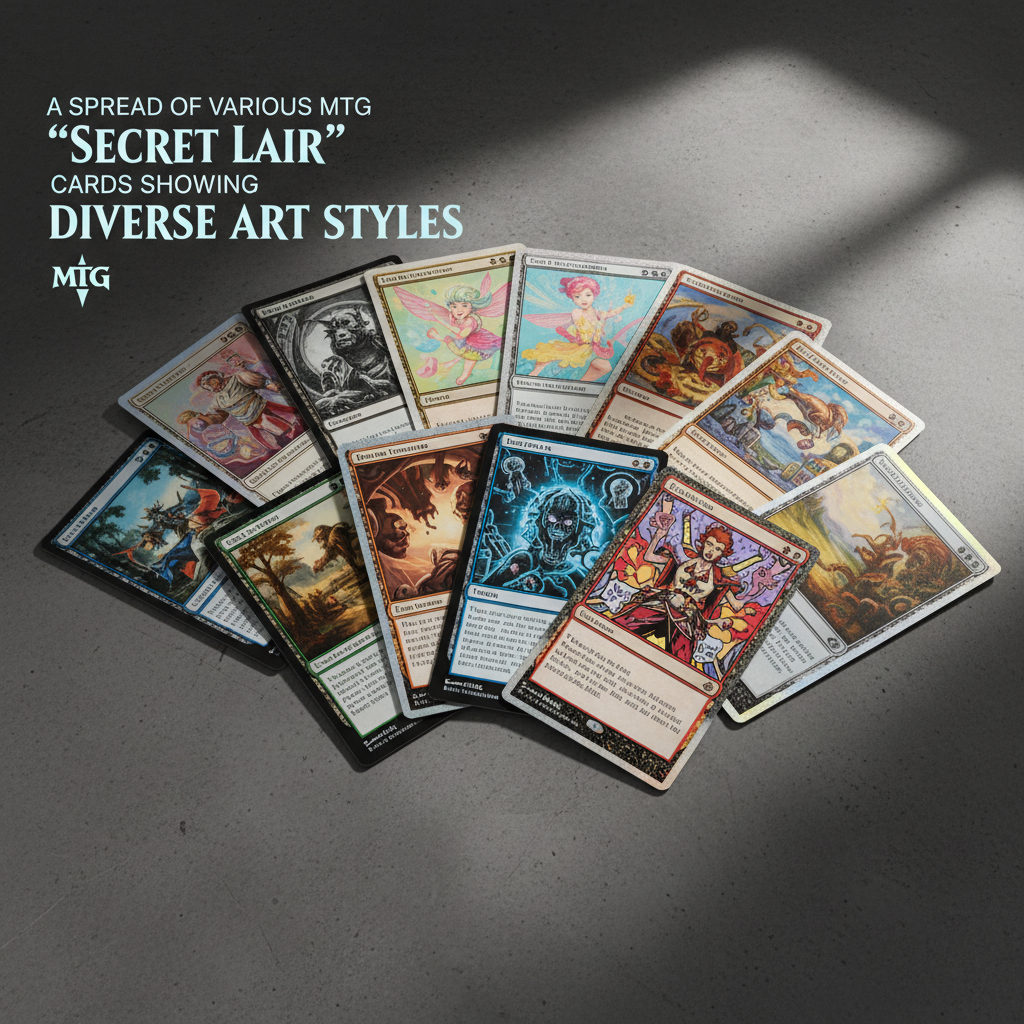
Unless a card is on the Reserved List, it is eligible for a reprint. Wizards of the Coast has increased the frequency of "Secret Lair" drops and "Master Sets," which can cause a non-Reserved List card to lose 50% of its value overnight. In practice, we suggest that any "investment" outside of the Reserved List should be viewed with a 2-3 year exit strategy in mind.
"The secondary market for Magic is no longer just a hobbyist's trade-post; it is a sophisticated financial ecosystem where 'condition' and 'provenance' are as important as the text on the card." — Texas Table Top Games Market Analyst
Summary: How to Balance Play and Investment
To succeed in the MTG marketplace, one must distinguish between "game pieces" and "collectible assets." If you are looking for long-term wealth preservation, focus on the Reserved List and high-grade vintage cards. If you are looking for short-term gains, monitor the serialized MTG cards market and Commander deck-building trends.
Key Takeaways:
- Scarcity is King: The Reserved List remains the only "guaranteed" scarcity in the game.
- Format Growth: Commander demand is the primary driver for the value of modern cards.
- Condition Matters: For investment-grade cards, a professional grade (PSA/BGS) can double or triple the value compared to an "un-slabbed" copy.
- Diverse Outlook: The Black Lotus price 2026 will likely act as a bellwether for the entire high-end collectibles market.
Sources
- 1Wizards of the Coast: Official Reserved List Policy
- 2TCGPlayer: Infinite - Understanding Serialized Cards
- 3MTGGoldfish: Price Trends and Format Staples
- 4Heritage Auctions: Rare TCG Auction Results
